Why Email and SMS Underperform for Most DTC Brands (And How to Fix It)
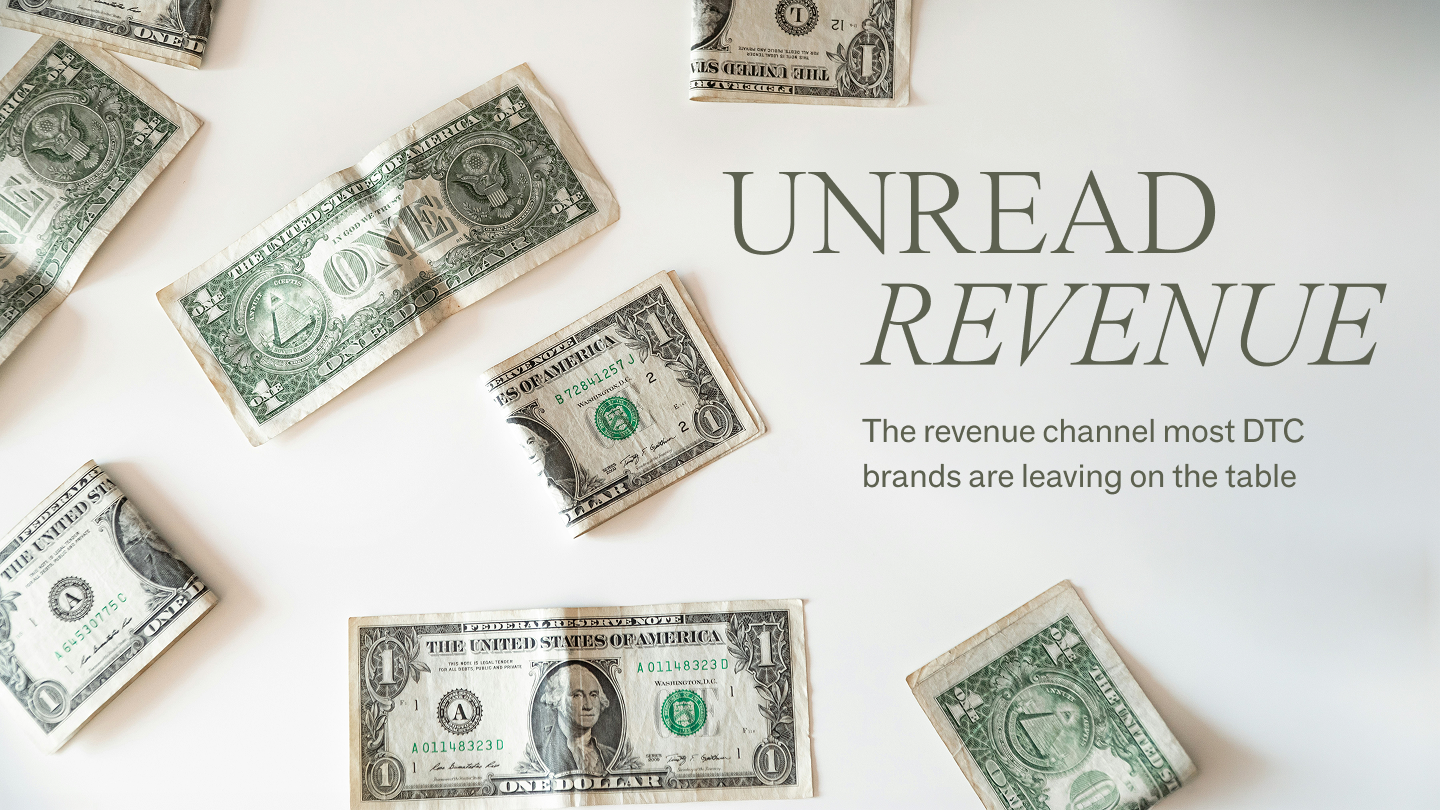
When we start working with a new DTC brand, one of the first things we look at is how much revenue comes from email and SMS. It's one of the fastest ways to assess the health of the business because owned channels are the highest-margin part of the revenue mix. There's no paid distribution cost, the results compound over time, and the channel gets stronger as you learn more about your customers.
And yet, in most of the audits we run, email and SMS are the most underbuilt parts of the program. The flows are live, the campaigns go out on schedule, the platform is paid for, and owned channels are still contributing well below what we'd expect from a mature lifecycle program.
When that happens, the problem is almost never the platform. The most common reason email and SMS programs underperform for DTC brands is that no one is actively running a lifecycle strategy behind the tool.
Signs your email and SMS program is underperforming
If you're not sure whether this applies to you, here's the checklist we walk through with brands:
• Less than 30% of your revenue comes from owned channels
• Your welcome flow is live, but new subscribers aren't nurtured beyond that first sequence
• Your post-purchase flow stops at the receipt
• There isn't a full lifecycle in place that meets customers where they are
• Your flows haven't been meaningfully updated in 12+ months
• Your list has grown, but your segmentation logic hasn't
• SMS is mostly used for promotions
• You have a winback flow, but you're not sure whether it's working
• Engagement has declined as send volume has increased
• Deliverability has dropped, and you can't pinpoint when it started
If two or more of those sound familiar, your program is leaving revenue behind. That describes the majority of DTC brands we talk to, including sophisticated ones.
The difference between a live program and a working one
Here's what we've noticed over the years of doing this work: lifecycle marketing is usually the first thing to get deprioritized when teams are stretched. It feels less urgent than paid media, less visible than a site redesign, and less exciting than implementing a new platform. Because the flows technically exist and campaigns are still sending, it's easy to assume the channel is covered.
The gap between "covered" and "optimized" is where most of the revenue opportunity sits. Every item on the checklist above is a specific, fixable problem. Left unattended, those small gaps compound quietly over time.
What each gap costs
These are the ones we see most often.
Owned channels contributing well below their potential.
When email and SMS aren't carrying their share, the business becomes more exposed to paid volatility than it needs to be. If your ads suddenly underperform, whether from creative fatigue, a CPM spike, or an algorithm change, there's no floor underneath you.
A post-purchase flow that ends at the receipt.
This is usually the most expensive gap on the list because post-purchase is the highest-value sequence in the entire program. It's the moment a first-time buyer decides whether they're going to become a repeat customer. For most brands, that window is empty after the order confirmation.
Flows untouched for 12+ months.
The logic in those flows was built when your customer base was smaller, your catalog was narrower, and your AOV was lower. It's still running unchanged. Stale logic produces stale results.
A growing list with static segmentation.
Without real segmentation, your highest-value customers get the same message as someone who bought once eighteen months ago. Personalization changes that dynamic entirely. When messages are calibrated to purchase frequency, product affinity, send timing, and loyalty tier, engagement climbs because the message is relevant. This is also where Klaviyo's native AI features earn their keep: predictive analytics, smart sending, and product recommendations. Most brands have them available and haven't turned them on.
SMS as a promotions-only channel.
If SMS is just where your sales announcements go, the channel is running at maybe 20% of its potential. SMS is the most immediate channel in the stack. It gets read in minutes, not hours. In our experience, behavioral sequences consistently outperform promotional blasts: post-purchase confirmations, reorder reminders, back-in-stock nudges, and low-inventory alerts. The infrastructure to do this already exists in your platform. It just hasn't been built out.
A winback flow no one has reviewed.
If it's been running unattended, it probably has the wrong suppression logic, the wrong timing, and the wrong offer. Which means churned customers are being re-acquired at full paid CAC when your owned channels could bring them back at close to zero marginal cost.
Engagement and deliverability erosion.
These build slowly and surface late. As send volume increases without more relevant segmentation or content, subscribers gradually stop paying attention, and declining engagement quietly chips away at sender reputation. By the time open rates fall, the problem has often been building for months. Frequency alone doesn't drive revenue. Relevance does.
Where to start
Post-purchase is the highest-leverage place to start. It delivers the fastest return and is usually the emptiest part of the program.
A minimum viable post-purchase sequence looks like this:
A review or feedback request a few days after delivery, not immediately after purchase.
A replenishment or cross-sell touch timed to your typical reorder window.
A second-purchase incentive designed specifically for first-time buyers.
Of everything on the checklist, this is the sequence that typically pays for itself fastest.
What a high-performing DTC email and SMS program looks like
The brands we work with that get the most from owned channels tend to have six things in common:
Owned channels carry real weight. Email and SMS aren't supplementing paid. They're stabilizing the business and improving the economics of every acquisition dollar spent.
Every meaningful customer behavior has a corresponding lifecycle flow. First purchase, second purchase, lapsed, VIP, post-refund, browse abandonment, winback. Each one is actively tested, maintained, and connected to the broader segmentation strategy.
Segmentation reflects actual behavior. Purchase frequency, category affinity, AOV tier, acquisition source. The message changes based on who's receiving it.
SMS is behavioral, not just promotional. The highest-converting programs we've built run automated sequences quietly in the background. Promotional sends are one part of the strategy, not the whole thing.
AI is an operational layer, not a gimmick. Send time optimization, churn prediction, product affinity modeling: on the programs that are pulling ahead, these are simply running. Most brands are still deciding whether to start.
Someone owns the outcome. Flows get tested, suppression logic stays current, and deliverability is monitored. Owning the platform isn't the same as owning the results.
We've seen this play out with brands like Maison Louis Marie, Smythe, and The Butcher Shoppe. In each case, stronger lifecycle performance came from expanding beyond out-of-the-box flows and building around real customer behavior. It's also how SkinLocal connected its in-clinic and online experiences through email, turning a single channel into the bridge between two sides of the business. Klaviyo provides the infrastructure, but the results come from how it's configured, maintained, and continuously optimized.
Why this changes the economics of everything else
A strong email and SMS program lowers effective CAC, raises LTV, and reduces your dependence on paid acquisition. Every new customer becomes more valuable when the post-purchase experience is doing its job. And when seasonality hits, a competitor gets aggressive, or paid media becomes more volatile, owned channels are the revenue floor that helps stabilize the business.
Here's the simplest test: if your owned channel revenue contribution hasn't meaningfully improved over the past year, your lifecycle program probably isn't evolving with your business. It's running, but it isn't being actively run. That's an important distinction.
1r is a Klaviyo Platinum Partner. If your lifecycle program has plateaued, we'll audit your flows, segmentation, deliverability, and customer journeys to identify where revenue is being left on the table, and where to focus first. Reach out at hello@1r.agency.
Related News
See More
Why Growing DTC Brands Keep Choosing Shopify
Why the right platform changes how fast your marketing team can move — and what gets built once you're there.

The $5M–$15M DTC Brand Has The Hardest Job In ECommerce
You're not underperforming. You're running the wrong operating model for this stage.
Why More Ecommerce Brands Are Replacing Multiple Agencies With Strategic Commerce Partners
The operational shift happening across modern ecommerce teams as brands prioritize alignment, efficiency, and connected growth.
How to Choose the Right Shopify Design Agency for Your Brand
A practical guide to evaluating Shopify agencies based on performance, UX, scalability, and ecommerce growth strategy.
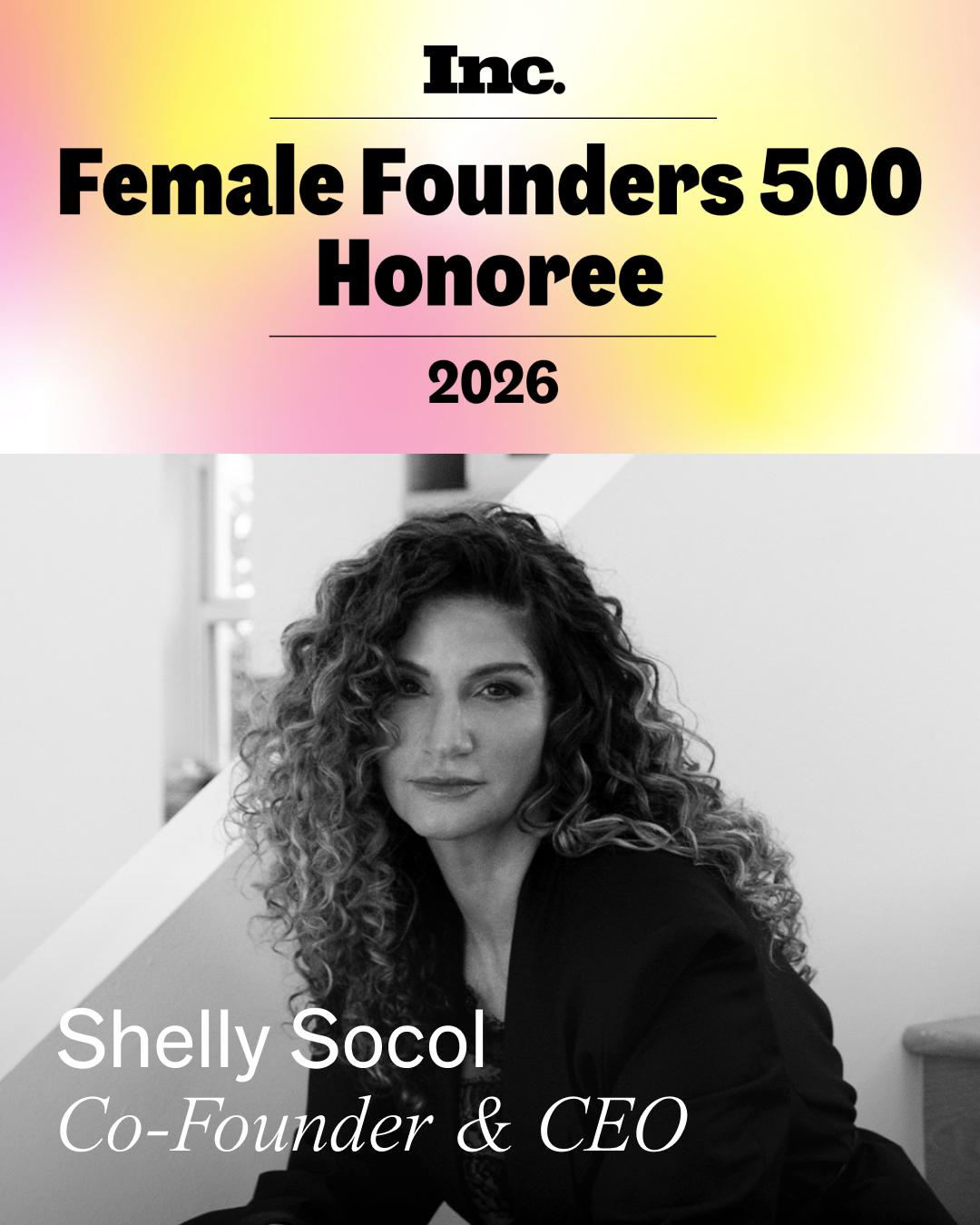
1r Agency Founder Shelly Socol Named to Inc.’s 2026 Female Founders 500
View the full list of honorees